The short answer
Calculating roofing profits involves subtracting all expenses from total revenue. Consider every cost, including labor, materials, and hidden expenses, to ensure accurate profit margins.
Key Takeaways
- Understand all your expenses before calculating profits.
- Use accurate job cost estimation techniques.
- Consider industry benchmarks for profit margins.
- Regularly track your financials to identify discrepancies.
- Invest in tools that streamline profit tracking.
Calculating roofing profits isn’t just about subtracting costs from revenue. To effectively gauge your success, you need to factor in all expenses, from labor to materials, while considering industry benchmarks. It’s crucial to adapt accurate cost estimation methods and regularly review financial data to ensure your roofing business remains profitable.
How do I calculate profit margins for roofing jobs?

Calculating profit margins for roofing jobs involves determining the difference between your total revenue and total costs, then dividing that number by total revenue. This gives you a percentage indicating profitability. To increase precision, track all costs meticulously, including hidden expenses like permits or unexpected repairs.
Understanding profit margins starts with knowing your numbers. Begin by listing every conceivable cost: materials, labor, transportation, and overhead. Once these are tallied, subtract them from your total revenue for each job. Divide this figure by your total revenue, then multiply by 100 to get your profit margin percentage. Keeping detailed records and staying vigilant about cost variations are key to maintaining accuracy.
What expenses should I consider when calculating roofing profits?
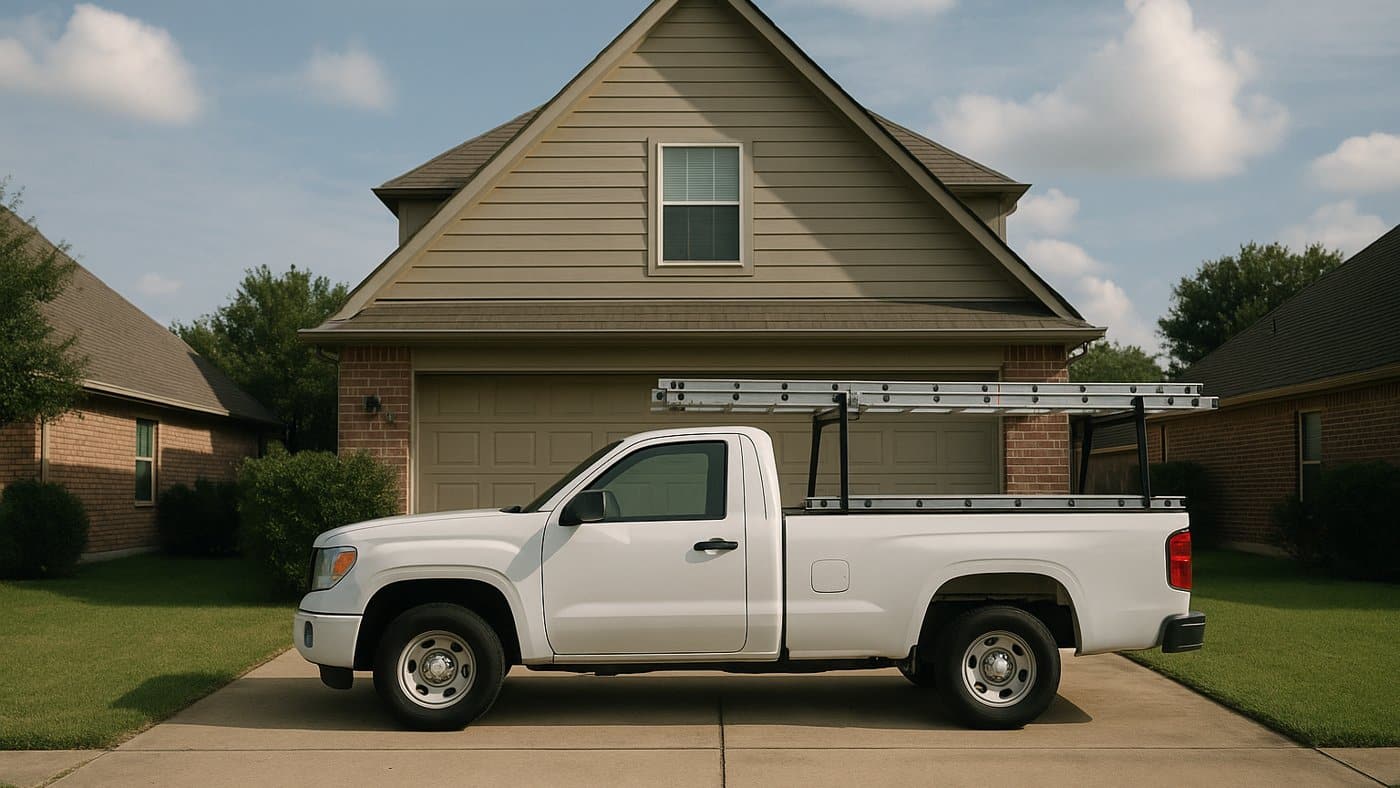
When calculating roofing profits, consider all direct and indirect expenses, such as materials, labor, permits, insurance, and overhead. Hidden costs like equipment maintenance or unexpected repairs can impact your profit calculations if overlooked. Comprehensive expense tracking is essential to understanding your true profitability.
Expenses in roofing are multifaceted. Direct costs include materials like shingles and nails, while labor costs cover wages and benefits. Don’t forget indirect costs such as office rent, utilities, and insurance. Overlooking hidden expenses can lead to skewed profit calculations. To avoid surprises, create a detailed budget listing all possible costs and regularly update this as market prices and business needs evolve.
How can I estimate roofing project costs accurately?
To estimate roofing project costs accurately, use a combination of past project data, current market prices, and detailed job-specific evaluations. This involves examining every aspect of the job from materials and labor to permits and unexpected contingencies. Accurate cost estimation is crucial for maintaining healthy profit margins.
Start by compiling detailed records from previous projects. Analyze these to identify trends and typical cost drivers. Use this data alongside current market prices to forecast expenses. Consider specific job factors such as roof size, material type, and geographic location. For precise estimates, employ spreadsheet software or specialized apps to account for all variables and build a comprehensive cost model.
What is the average profit percentage for roofing contractors?
The average profit percentage for roofing contractors typically ranges between 20% and 40%. However, this varies based on factors like market conditions, business expertise, and operational efficiency. Monitoring industry benchmarks can help gauge your performance and identify areas for improvement.
Profit percentages provide a benchmark for evaluating your business health. According to the National Roofing Contractors Association, most roofing businesses aim for a profit margin of around 20-40%. To better align with these averages, regularly analyze your financials and compare them against industry standards. This helps highlight strengths and opportunities for optimization within your operations.
How do I create a budget for a roofing business?
Creating a budget for a roofing business involves forecasting expenses and revenues, setting financial goals, and allocating resources accordingly. Include detailed projections for all costs and revenues, and regularly review and adjust the budget to stay aligned with business objectives.
Start by listing all anticipated expenses, including materials, wages, marketing, and insurance. Set realistic revenue goals based on past performance and market analysis. Use tools like spreadsheets or budgeting software to track and adjust these figures. Connect with resources such as the SBA – Small Business Administration for additional budgeting guidance. Regularly reviewing your budget ensures you remain on track financially and can adjust quickly to changes.
What tools can help me track roofing profits and expenses?
Tools like accounting software, project management apps, and specialized roofing calculators can streamline tracking of profits and expenses. These tools provide real-time data and analytics, helping you make informed decisions and maintain profitability.
Integrating the right technology into your business operations can significantly enhance your financial tracking capabilities. Consider using accounting software like QuickBooks for comprehensive financial management. Project management apps help with job progress and cost tracking, while dedicated roofing calculators aid in precise cost estimation. By investing in these tools, you can reduce errors, save time, and improve your overall financial oversight.
What are the common mistakes in calculating roofing profits?
Common mistakes in calculating roofing profits include underestimating costs, neglecting hidden expenses, and failing to track financials accurately. These errors can lead to incorrect profit calculations, impacting your bottom line. Staying vigilant and regularly reviewing your calculations are key to avoiding these pitfalls.
| Mistake | Impact on Profitability |
|---|---|
| Underestimating Costs | Leads to lower than expected profit margins |
| Ignoring Hidden Expenses | Results in unexpected financial shortfalls |
| Inaccurate Tracking | Causes discrepancies in financial statements |
Failing to account for all costs is a common error. This includes overlooking indirect expenses such as equipment maintenance. Inaccurate financial tracking can result in significant discrepancies in your calculations. Regular audits and using reliable software tools can help prevent these mistakes, ensuring you have a clear and accurate picture of your financial health.
Secure Your Spot at the Roofing Owners Mastermind Retreat
If you’re serious about mastering the art of calculating roofing profits and want to leverage this knowledge for real business growth, it’s time to take action. At the Roofing Owners Mastermind retreats in Costa Rica, you’ll network with industry leaders, gain insights into profit maximization, and take your business to new heights. Don’t miss out on this opportunity — reserve your spot now.
FAQ:
How do I calculate profit margins for roofing jobs?
To calculate profit margins, subtract total expenses from total revenue, then divide by total revenue. Multiply by 100 to get the percentage. Accurate record-keeping is essential.
What expenses should I consider when calculating roofing profits?
Consider direct costs like materials and labor, along with indirect costs such as insurance, overhead, and marketing. Missing any of these can skew your profit calculation.
How can I estimate roofing project costs accurately?
Use past project data, consult current material prices, and factor in labor costs based on your crew’s pay rates. Software tools can also help streamline this process.
What is the average profit percentage for roofing contractors?
The average profit margin for roofing contractors typically ranges from 10% to 20%. Benchmarking against industry standards can help you set realistic goals.
How do I create a budget for a roofing business?
Start by listing all your expected revenues and expenses. Use historical data to estimate costs accurately and adjust as necessary to account for seasonal fluctuations.
What tools can help me track roofing profits and expenses?
Consider accounting software like QuickBooks or specialized construction management solutions. These tools can help you track expenses, revenue, and profit margins efficiently.
Frequently Asked Questions
How do I calculate profit margins for roofing jobs?
To calculate profit margins, subtract total expenses from total revenue, then divide by total revenue. Multiply by 100 to get the percentage. Accurate record-keeping is essential.
What expenses should I consider when calculating roofing profits?
Consider direct costs like materials and labor, along with indirect costs such as insurance, overhead, and marketing. Missing any of these can skew your profit calculation.
How can I estimate roofing project costs accurately?
Use past project data, consult current material prices, and factor in labor costs based on your crew’s pay rates. Software tools can also help streamline this process.
What is the average profit percentage for roofing contractors?
The average profit margin for roofing contractors typically ranges from 10% to 20%. Benchmarking against industry standards can help you set realistic goals.
How do I create a budget for a roofing business?
Start by listing all your expected revenues and expenses. Use historical data to estimate costs accurately and adjust as necessary to account for seasonal fluctuations.
What tools can help me track roofing profits and expenses?
Consider accounting software like QuickBooks or specialized construction management solutions. These tools can help you track expenses, revenue, and profit margins efficiently.