The short answer
The best roofing business model combines efficiency, effective marketing, and diverse service offerings to maximize profitability. By focusing on customer satisfaction and leveraging technology, roofing contractors can build a sustainable and lucrative business.
Key Takeaways
- Profitability in roofing depends on model efficiency and service diversity.
- High-demand services can significantly boost your bottom line.
- Effective marketing strategies are essential for attracting customers.
- Investing in technology can streamline operations and increase profits.
- Understanding common challenges allows for better business planning.
Building a successful roofing business model isn’t just about laying shingles. It’s about crafting an efficient, service-diverse operation that maximizes profitability. The right roofing business model integrates high-demand services, leverages cutting-edge marketing strategies, and embraces technological advances to streamline operations and drive higher profits.
Is a roofing business profitable?
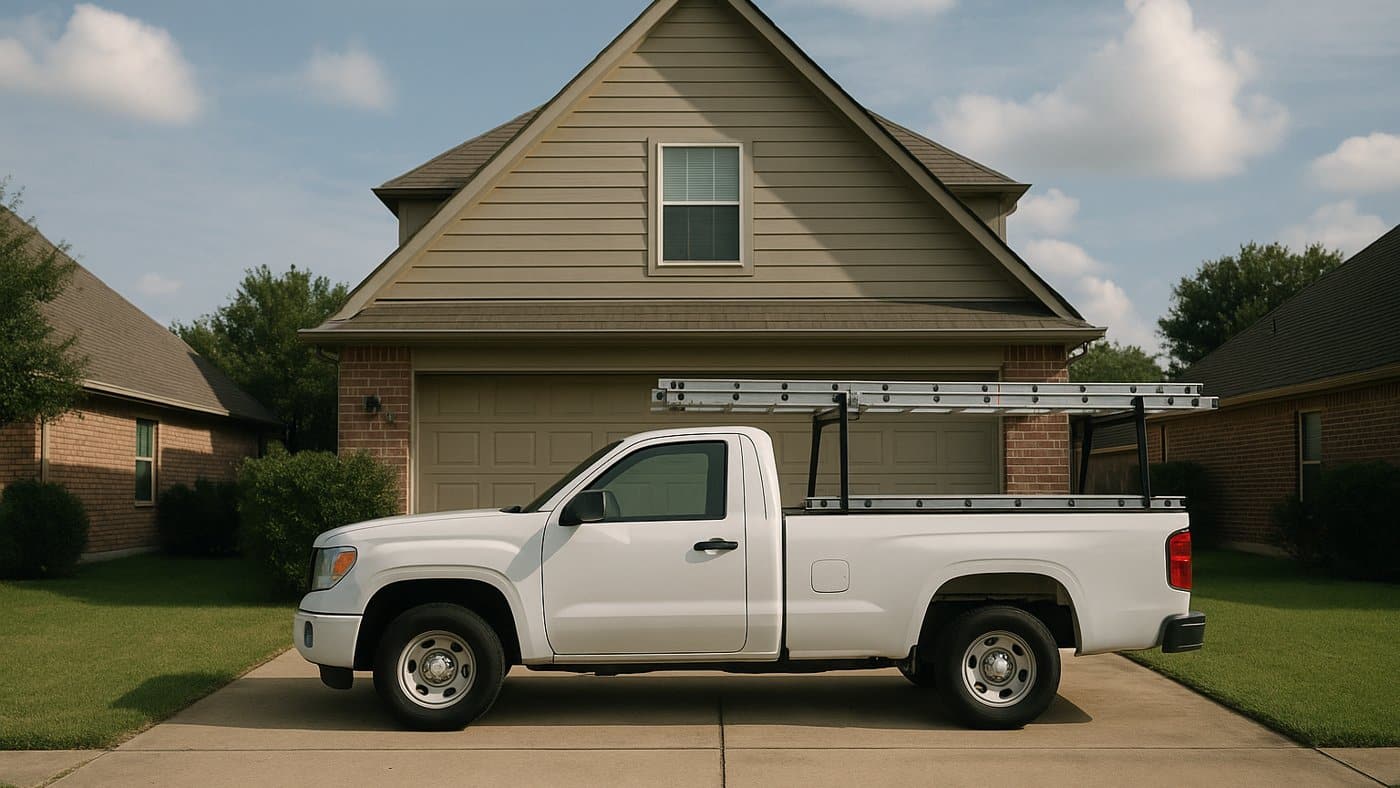
Yes, a roofing business can be highly profitable if managed efficiently. Profitability hinges on factors like operational efficiency, service diversity, and market demand. By optimizing these elements, roofing businesses can achieve robust margins. A well-structured roofing business taps into both residential and commercial sectors, diversifying income streams and mitigating risks.
The key is in understanding regional demands and aligning services accordingly. For instance, a business in hurricane-prone areas might specialize in storm-resistant roofing materials, driving up demand. Furthermore, maintaining a skilled workforce and minimizing overhead costs can significantly enhance profitability. Tapping into high-demand services such as eco-friendly roofing and maintenance contracts can also boost the bottom line.
What are the best roofing business models?
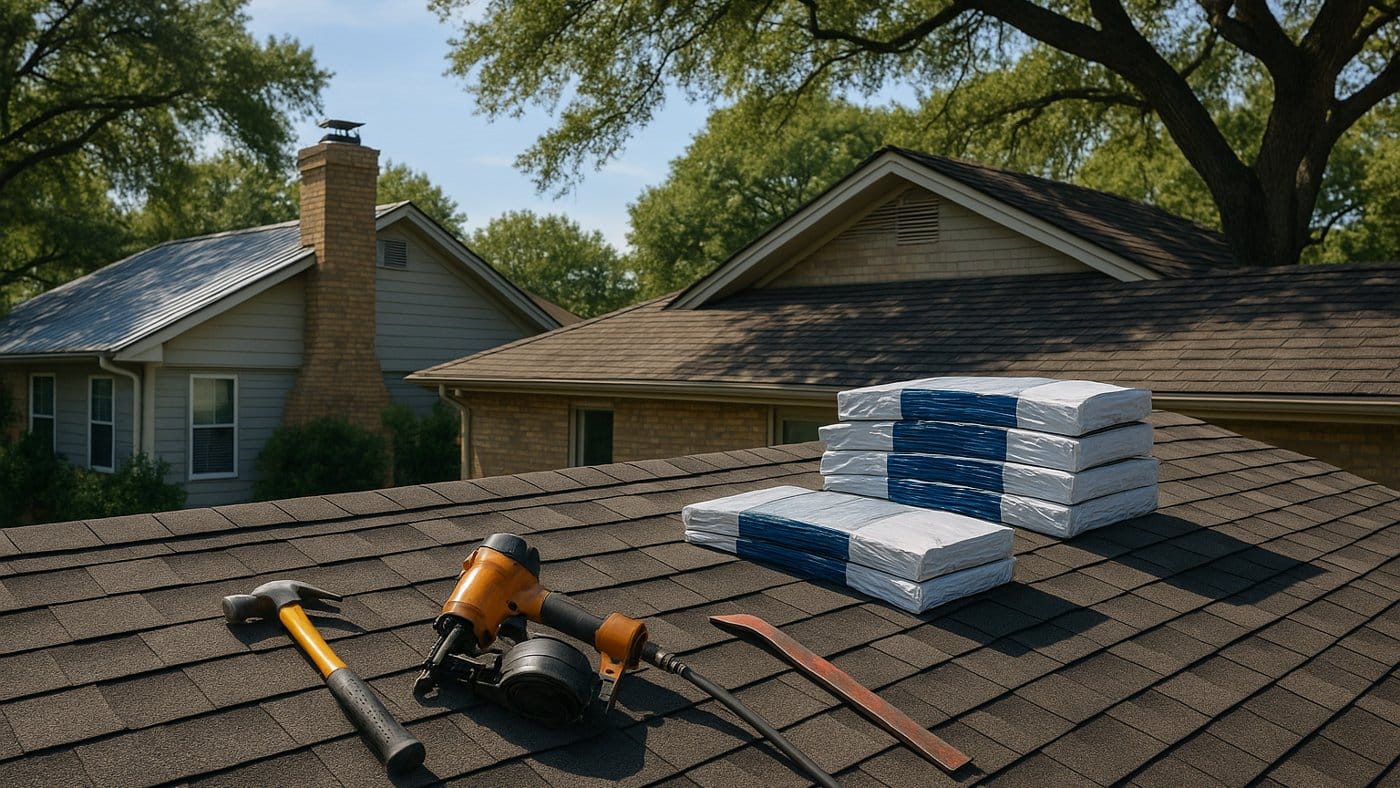
The best roofing business models are those that incorporate diversification and scalability. These models focus on offering a variety of services such as residential roofing, commercial projects, and maintenance plans. By diversifying, businesses can reduce dependency on a single revenue stream.
| Roofing Business Model | Profitability Potential | Key Features |
|---|---|---|
| Residential Roofing | Moderate to High | High volume, lower margins |
| Commercial Roofing | High | Larger projects, longer timelines |
| Maintenance and Repair | Moderate | Recurring revenue, consistent workload |
| Specialty Roofing (e.g., eco-friendly) | High | Niche market, premium pricing potential |
Choosing the right model involves weighing the initial investment against potential profit. Commercial roofing often requires higher upfront costs but offers greater revenue opportunities. Conversely, residential roofing typically involves less complexity and investment.
Is a roofing company profitable?
A roofing company can indeed be profitable when operations are optimized for efficiency and market needs. Profitability is influenced by factors such as service offerings, market positioning, and operational costs. Companies that strategically position themselves in growth markets and focus on customer satisfaction tend to outperform those that don’t.
Focusing on high-quality service delivery and maintaining a strong brand reputation fosters customer loyalty and referrals, which are crucial for sustained profitability. Additionally, strategic partnerships with suppliers and leveraging volume discounts can further enhance margins. Companies that invest in training and technology often realize increased efficiency and profitability.
How to start a roofing business?
Starting a roofing business requires careful planning and execution. Here’s how you can start your own roofing business:
1. Research and Planning: Conduct thorough market research to understand demand and competition.
2. Business Registration: Register your business and obtain necessary licenses and insurance.
3. Financial Planning: Secure financing, create a detailed business plan, and set a budget.
4. Build a Team: Hire skilled workers and invest in their training.
5. Marketing Strategy: Develop a marketing plan to attract and retain customers.
By following these steps, new businesses can establish a solid foundation for growth. Utilizing resources from the Small Business Administration can also provide valuable guidance in the early stages.
What services should a roofing company offer?
A successful roofing company should offer a diverse range of services to meet varied customer needs. These services typically include installation, repair, maintenance, and specialty roofing options like metal or eco-friendly roofing. Diversifying your service offerings not only attracts a broader customer base but also stabilizes revenue streams.
Maintenance services, for example, provide recurring income and help build long-term client relationships. Offering energy-efficient roofing solutions can also tap into the growing market for sustainable building practices, enhancing your appeal to environmentally-conscious consumers.
How to market a roofing business?
Effective marketing is crucial for the success of a roofing business. To attract and retain customers, roofing companies should utilize a mix of digital and traditional marketing strategies. Online presence is pivotal; therefore, maintaining an informative website and utilizing social media platforms is essential.
Additionally, content marketing and SEO can enhance visibility. Engaging with potential clients through community events and offering promotions can further expand your reach. Partnering with industry bodies like the National Roofing Contractors Association can also bolster credibility and visibility.
What are common challenges in the roofing industry?
The roofing industry faces several challenges, including labor shortages, fluctuating material costs, and regulatory compliance. These issues can impact profitability and operational efficiency. Addressing them requires proactive strategies and strong industry networks.
Labor shortages can be mitigated by investing in training and development programs, ensuring a steady flow of skilled workers. Maintaining good relationships with suppliers can help manage material costs. Staying informed about industry regulations through resources like the U.S. Chamber of Commerce helps ensure compliance and reduces the risk of legal issues.
How to price roofing services?
Pricing roofing services involves balancing competitiveness with profitability. Factors such as material costs, labor, overhead, and desired profit margins influence pricing. It’s crucial to conduct a detailed cost analysis and understand your market.
1. Calculate Costs: Include all direct and indirect costs such as materials and labor.
2. Market Analysis: Research competitor pricing and adjust your rates to remain competitive.
3. Profit Margin: Determine the desired profit margin and incorporate it into your pricing.
4. Adjust for Value: Consider the perceived value of your services and adjust accordingly.
Pricing should reflect not only costs but also the quality and value of your services. Offering transparent pricing builds trust and can differentiate your company in a crowded market.
Secure Your Spot at the Roofing Owners Mastermind Retreat
Ready to transform your roofing business model and boost profitability? Join industry leaders at the Roofing Owners Mastermind retreats in Costa Rica. Limited spots are available for the November 9-13, 2026, and January 18-22, 2027, sessions. Reserve your spot today and step into a future of growth and success.
Frequently Asked Questions
Is a roofing business profitable?
Yes, a roofing business can be very profitable if you manage your costs effectively and offer in-demand services. Profitability varies based on location, market demand, and your business model.
Is a roofing company profitable?
Absolutely, many roofing companies enjoy high profit margins, especially when they diversify their services and focus on customer satisfaction. Building a strong reputation can also enhance profitability.
What are the best roofing business models?
The best roofing business models typically include full-service offerings, specialized services like repairs or replacements, and maintenance contracts. Each model has its own advantages depending on your market.
How to start a roofing business?
Starting a roofing business involves researching the market, obtaining necessary licenses, creating a business plan, and securing funding. Networking with other industry professionals can also provide valuable insights.
What services should a roofing company offer?
A successful roofing company should offer a range of services including installation, repair, maintenance, and inspections. Consider adding specialty services like gutter installation and storm damage repair.
How to market a roofing business?
Marketing a roofing business can involve digital strategies like SEO, social media, and email campaigns, as well as traditional methods such as referrals, local advertising, and community involvement.
What are common challenges in the roofing industry?
Common challenges include seasonal fluctuations, competition, and managing labor costs. Building a strong team and effective scheduling can help mitigate these issues.
How to price roofing services?
Pricing roofing services involves assessing material and labor costs, market rates, and the complexity of the job. Providing transparent quotes can also improve customer trust and satisfaction.