The short answer
Common mistakes made by roofing contractors include poor communication, lack of proper insurance, not obtaining necessary permits, and neglecting safety standards. These errors can lead to project delays, legal issues, and increased costs. Ensuring your contractor has a solid track record and certifications can mitigate these risks.
Key Takeaways
- Communication issues can lead to misunderstandings and costly errors.
- Always check for proper licensing and insurance before hiring.
- Not securing necessary permits can result in fines and delays.
- Ignoring safety regulations can compromise the integrity of the project.
- A well-drafted contract protects both you and the contractor.
Successfully managing a roofing project without falling into traps requires awareness of common roofing contractor mistakes. These errors can range from inadequate communication and lack of proper licensing to ignoring necessary permits and safety regulations. Understanding these pitfalls is crucial to avoid unnecessary costs and delays.
| What people ask | The short answer |
|---|---|
| What are common mistakes made by roofing contractors | Common mistakes made by roofing contractors include poor communication, lack of proper insurance, not obtaining necessary permits, and neglecting safety standards. |
| How to deal with roofing contractors who make mistakes | If a roofing contractor makes a mistake, address the issue immediately. |
| Can you sue a roofer for poor workmanship | Yes, you can sue a roofer for poor workmanship if they fail to meet the standards outlined in your contract. |
| How can I identify a bad roofing contractor | Identifying a bad roofing contractor involves checking their licensing, reputation, and communication. |
| What should I look for in a roofing contract | A comprehensive roofing contract should include project scope, timeline, payment terms, insurance details, and warranty information. |
| How can I avoid hiring an inexperienced roofer | To avoid hiring an inexperienced roofer, verify their credentials, ask for references, and check their portfolio. |
What are common mistakes made by roofing contractors?
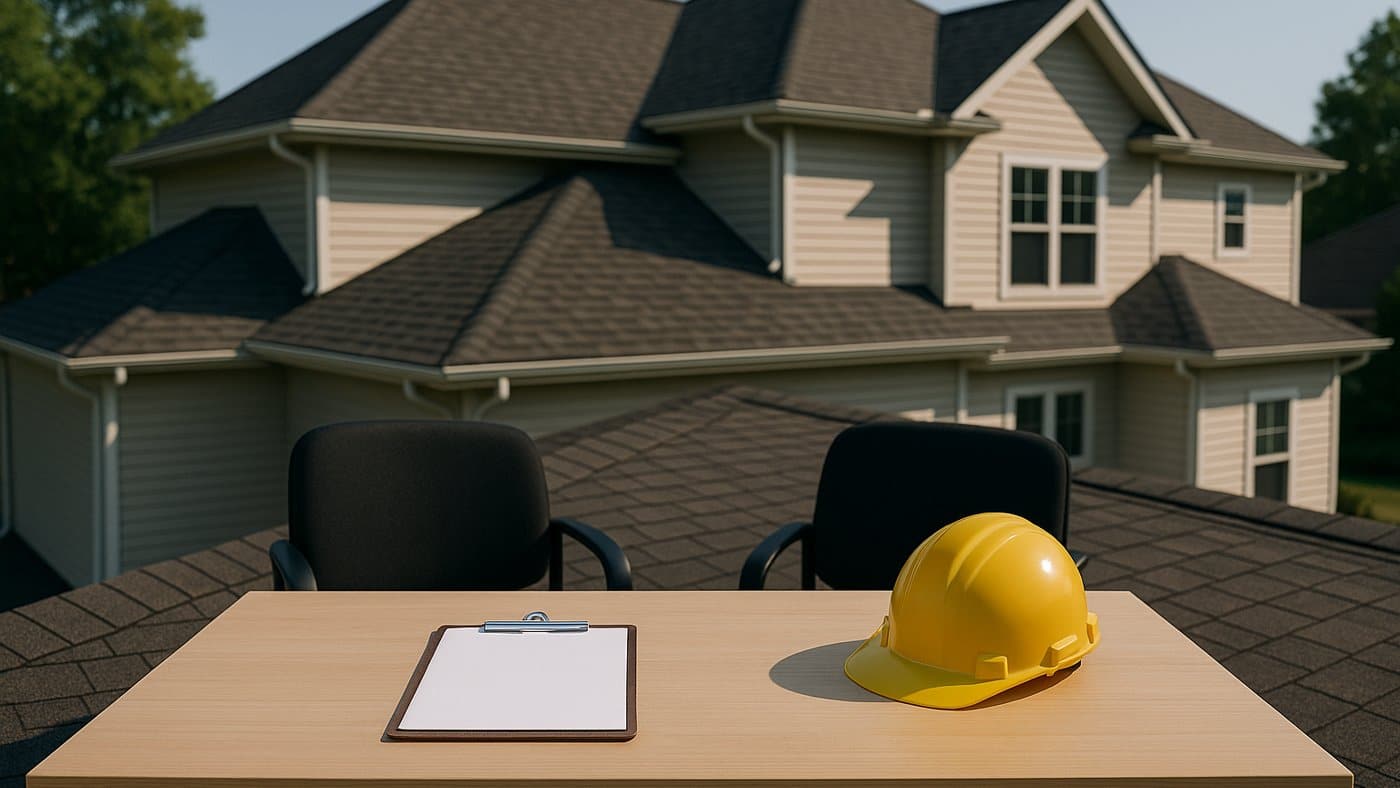
Common mistakes made by roofing contractors include poor communication, lack of proper insurance, not obtaining necessary permits, and neglecting safety standards. These errors can lead to project delays, legal issues, and increased costs. Ensuring your contractor has a solid track record and certifications can mitigate these risks.
Poor communication can result in misunderstandings about the project scope and timeline. Contractors who fail to keep you informed might overlook critical details, leading to costly revisions. Always insist on clear, frequent updates.
Licensing and insurance are non-negotiable. Contractors lacking these can leave you unprotected legally and financially. Verify their credentials through resources like the Better Business Bureau or the National Roofing Contractors Association.
How to deal with roofing contractors who make mistakes?
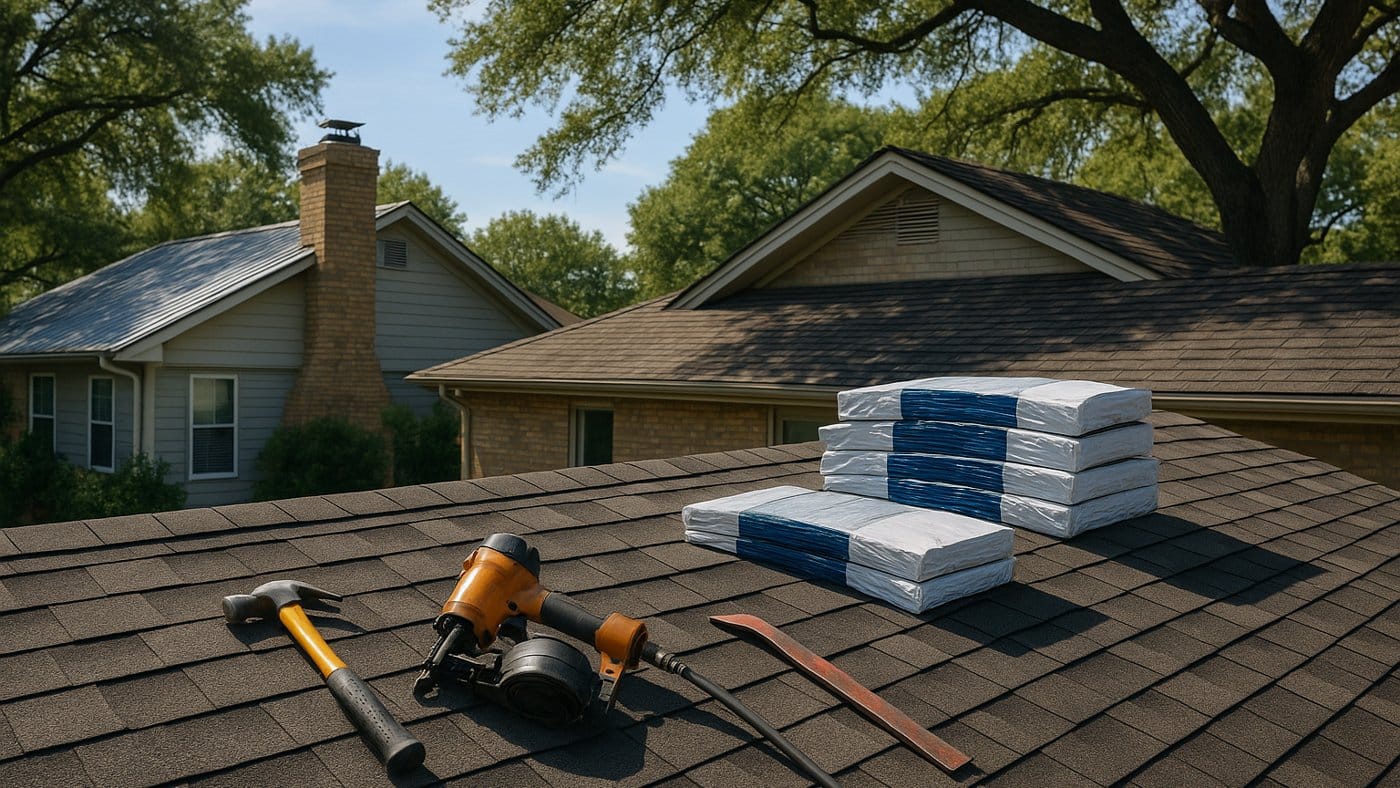
If a roofing contractor makes a mistake, address the issue immediately. Document everything, communicate directly, and hold them accountable to the contract. If necessary, consult legal advice to understand your options for correction or restitution.
Start by documenting the mistake with photos and notes. This evidence is crucial if you need to escalate the issue. Approach the contractor with your concerns and request a solution. Most reputable contractors will rectify mistakes to maintain their reputation.
If the contractor is unresponsive, review the terms of your contract. This document should outline steps for dispute resolution. Legal advice might be necessary if the contractor refuses to honor the agreement. The U.S. Small Business Administration offers resources for handling such disputes.
Can you sue a roofer for poor workmanship?
Yes, you can sue a roofer for poor workmanship if they fail to meet the standards outlined in your contract. Legal action can recover costs associated with repairs and damages, but it should be a last resort after attempting to resolve the issue directly.
Before proceeding with legal action, ensure you’ve given the contractor a chance to correct the mistake. If they refuse or the work remains unsatisfactory, consult a lawyer to discuss your options. Legal proceedings can be lengthy and costly, so weigh these factors carefully.
How can I identify a bad roofing contractor?
Identifying a bad roofing contractor involves checking their licensing, reputation, and communication. Warning signs include reluctance to provide references, vague contract details, and pushy sales tactics. Avoid contractors who cannot provide proof of insurance or a clear project timeline.
Researching a contractor’s reputation is vital. Look for reviews online and request references from previous clients. Trustworthy contractors are transparent about their work history and eager to showcase their accomplishments.
A reluctance to sign a clear, detailed contract is a red flag. The contract should specify all aspects of the project, including materials, costs, and timelines. Vague terms can lead to misunderstandings and disputes.
What should I look for in a roofing contract?
A comprehensive roofing contract should include project scope, timeline, payment terms, insurance details, and warranty information. This document protects your interests by clearly defining expectations and responsibilities.
The project scope outlines the work to be done, including materials and labor. Ensure it matches your expectations and includes specifics.
Payment terms should clarify when and how much you will pay. Avoid contracts that demand full payment upfront. Staggered payments based on project milestones are standard practice.
Include insurance and warranty details. The contractor should carry insurance covering potential damages or injuries. A warranty guarantees the contractor will address future issues arising from their work.
How can I avoid hiring an inexperienced roofer?
To avoid hiring an inexperienced roofer, verify their credentials, ask for references, and check their portfolio. Inquire about their experience with projects similar to yours to ensure they have the necessary skills.
Consider asking these questions:
1. How long have you been in business?
2. Can you provide references from past projects?
3. What types of projects have you completed?
Checking their experience through resources like the Better Business Bureau provides additional credibility. An experienced contractor will have a history of satisfied clients and successful projects.
What are the signs of poor roofing installation?
Signs of poor roofing installation include water leaks, uneven shingles, sagging rooflines, and insufficient ventilation. These issues can lead to significant structural damage and costly repairs if not addressed promptly.
Uneven or missing shingles often indicate rushed or improper installation. Water stains on ceilings or walls can signal leaks, often resulting from poor sealing or flashing. A sagging roofline is a serious issue, suggesting structural weaknesses.
A well-installed roof should also have proper ventilation. Inadequate airflow can cause moisture buildup, leading to mold growth and material deterioration.
What questions should I ask a roofing contractor before hiring?
Before hiring a roofing contractor, ask about their experience, licensing, insurance, and project timeline. Inquire about ventilation solutions and how they handle unexpected issues. These questions help evaluate their capability and commitment to quality work.
1. Are you licensed and insured?
2. What experience do you have with projects like mine?
3. Can you provide a detailed written estimate?
4. How do you handle project delays or unforeseen issues?
A reliable contractor will provide clear, confident answers. Asking the right questions ensures you hire someone who meets your expectations and can deliver on their promises.
Secure Your Next Roofing Project with Confidence
Avoiding roofing contractor mistakes is about preparation and knowing what to look for. But if you’re ready to take your business to new heights, the Roofing Owners Mastermind offers exclusive retreats in Costa Rica. Join industry experts to refine your strategies and grow your network. Join our next mastermind retreat and experience unparalleled learning and collaboration. Don’t miss out—secure your spot today!
Frequently Asked Questions
How to deal with roofing contractors?
Dealing with roofing contractors starts with clear communication. Ensure you set expectations upfront and maintain regular check-ins throughout the project to address any concerns promptly.
Can you sue a roofer for poor workmanship?
Yes, you can sue a roofer for poor workmanship if they fail to meet the standards outlined in your contract. Documenting all issues and communicating directly with the contractor first is essential before pursuing legal action.
How can I identify a bad roofing contractor?
Look for red flags such as lack of proper licensing, poor online reviews, and unwillingness to provide references. A reputable contractor should also be transparent about their processes and materials.
What should I look for in a roofing contract?
A roofing contract should include detailed project specifications, timelines, payment schedules, and warranty information. Ensure both parties sign it to protect your interests.
What are the signs of poor roofing installation?
Signs of poor roofing installation include sagging, leaks, and visible gaps between shingles. Additionally, if shingles are cracking or curling, it could indicate a lack of proper installation.
What questions should I ask a roofing contractor before hiring?
Ask about their experience, types of materials they use, their warranty policies, and how they handle unexpected issues during the project. Transparency is key.