The short answer
Roofing company profitability today is influenced by various factors including material costs, labor availability, and market demand. Companies that adapt to these conditions can improve their profit margins significantly.
Key Takeaways
- Rising material costs are squeezing profit margins.
- Companies must adapt to labor shortages to maintain profitability.
- Embracing technology can lead to efficiency and higher profits.
- Networking with peers can provide insights into best practices.
Roofing company profitability today faces a complex landscape influenced by fluctuating material costs, labor shortages, and technological advancements. Adapting to these factors is crucial for maintaining and increasing profit margins in the competitive roofing industry. Companies that embrace innovation and strategic networking are better positioned to thrive.
What factors affect roofing company profitability today?

Several factors impact roofing company profitability today, including material costs, labor availability, and market demand. Material costs have risen significantly, affecting profit margins. Labor shortages further complicate operations by increasing wages and limiting project capacity. Market demand, driven by economic conditions and weather events, directly influences revenue potential.
Material costs, particularly for asphalt shingles, metal roofing, and other key components, have surged due to supply chain disruptions. This forces roofing companies to either absorb the costs or pass them onto customers, impacting competitiveness. Labor shortages mean companies must pay higher wages to retain skilled workers, which cuts into profits unless offset by increased efficiency or price adjustments.
Market demand can fluctuate with economic cycles and weather patterns. A strong housing market boosts demand for roofing services, while adverse weather can necessitate urgent repairs, temporarily increasing business. Companies must remain agile, adapting quickly to these changing conditions to safeguard profitability.
How can a roofing company increase its profit margins?
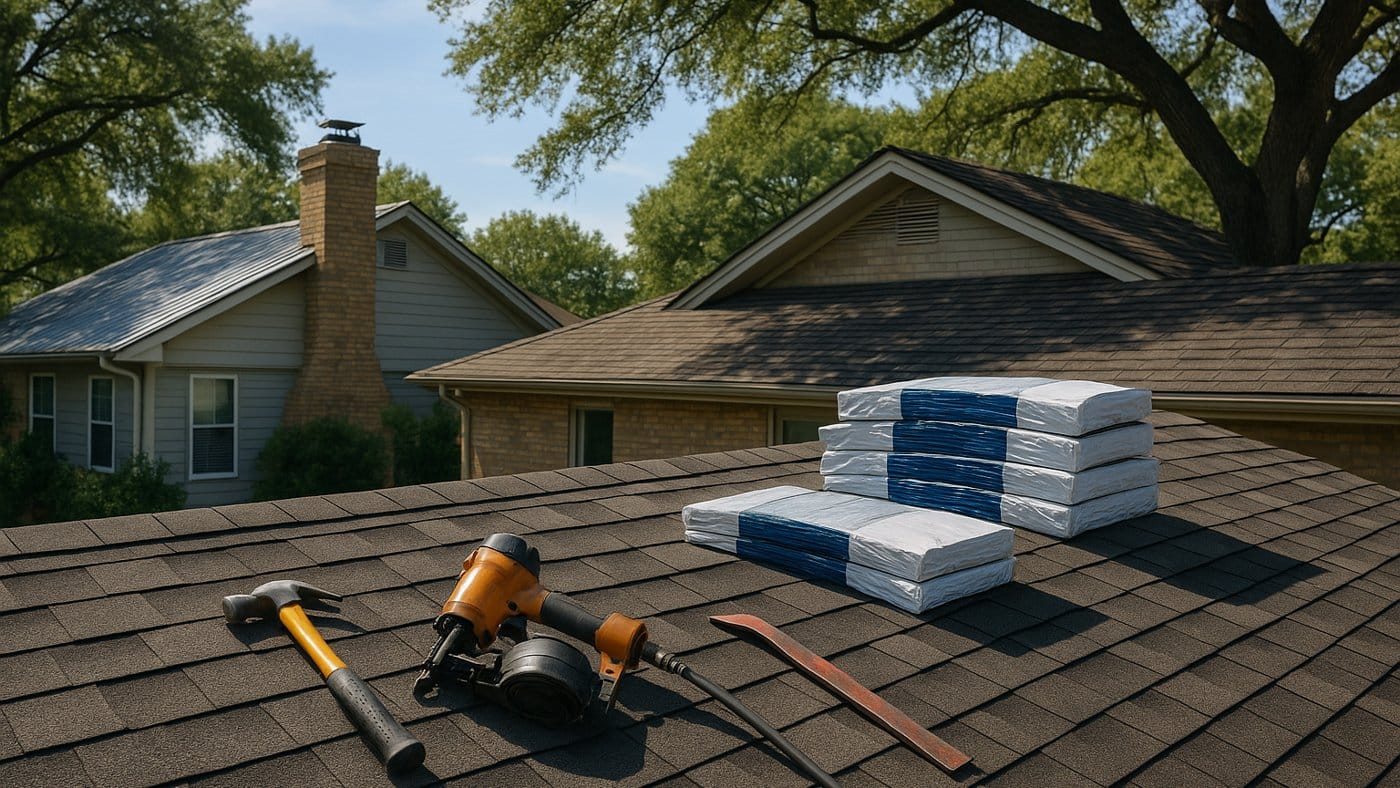
Increasing profit margins in a roofing company involves optimizing costs, enhancing efficiency, and leveraging technology. Companies can streamline operations by adopting efficient project management tools, investing in employee training, and sourcing materials strategically. Building strong relationships with suppliers can also secure better pricing and terms.
1. Optimize Operations: Implement project management software to streamline scheduling, track expenses, and allocate resources effectively.
2. Enhance Employee Skills: Invest in training programs that improve worker efficiency and reduce mistakes.
3. Strategic Sourcing: Negotiate with suppliers for bulk purchasing discounts or more favorable payment terms.
Technology, such as drones for roof inspections, can reduce labor costs and improve accuracy, further enhancing margins. Networking with industry peers through platforms like the Roofing Owners Mastermind can also provide insights into innovative practices that boost profitability.
What are the current trends in the roofing industry affecting profits?
Current trends affecting roofing industry profits include green roofing solutions, smart technology integration, and an increased focus on sustainability. These trends offer new revenue streams but require investment and adaptation to capture effectively.
Green roofing, such as living roofs and cool roofs, is gaining popularity due to environmental benefits and potential energy savings. While the initial investment can be higher, these solutions appeal to eco-conscious consumers and can command premium pricing. Smart technology, including solar panel roofing and energy-efficient materials, also presents growth opportunities, aligning with the broader trend towards sustainable building practices.
The industry’s move toward sustainability is not just about materials but also about operational practices. Companies focusing on reducing waste and improving energy efficiency in their operations can enhance their public image and attract more clients, thereby boosting profitability.
What are the average profit margins for roofing companies?
The average profit margins for roofing companies can range from 6% to 12%, depending on various factors like service type and market conditions. Residential roofing often yields lower margins compared to commercial projects due to different cost structures and competitive pressures.
| Roofing Service Type | Average Profit Margin |
|---|---|
| Residential Roofing | 6% – 10% |
| Commercial Roofing | 8% – 12% |
| Specialty Roofing (e.g., solar) | 10% – 15% |
These margins can vary widely based on geographic location, company efficiency, and the ability to manage costs effectively. Companies that can differentiate themselves through quality and innovation often achieve higher margins.
How do roofing companies manage costs to stay profitable?
Roofing companies manage costs by streamlining operations, negotiating better rates with suppliers, and employing cost-effective practices. Detailed budgeting and financial forecasting are essential tools for maintaining profitability.
Effective cost management begins with understanding all expenses, from materials and labor to overhead. Companies often use software solutions to track and analyze expenses, identifying areas where they can cut costs without compromising quality. Building long-term relationships with suppliers can lead to better pricing and terms, reducing material costs.
Moreover, adopting lean operational practices helps reduce waste and improve efficiency. Regular training and performance evaluations ensure a skilled workforce capable of completing projects on time and within budget.
What financing options are available for roofing companies to improve profitability?
Financing options for roofing companies include business loans, lines of credit, and equipment financing. These can provide the capital needed to invest in technology, expand operations, or manage cash flow more effectively.
The Small Business Administration offers loans specifically designed to help small businesses grow. These can be invaluable for purchasing new equipment or covering operational costs during slow periods. Equipment financing allows companies to acquire the latest technology without a large upfront payment, improving efficiency and competitiveness.
Lines of credit offer flexibility, enabling companies to manage short-term financial needs like payroll and minor equipment purchases, smoothing cash flow and allowing for strategic investments in growth opportunities.
How does competition affect roofing company profitability today?
Competition in the roofing industry affects profitability by putting pressure on pricing and customer acquisition strategies. Companies must differentiate themselves through quality service, innovative solutions, and effective marketing to stay ahead.
A saturated market means customers have more options, often leading to price wars that can erode margins. Successful companies focus on distinguishing factors such as superior customer service, warranty offerings, and unique product solutions to attract and retain clients. Networking opportunities, like those offered by the Roofing Owners Mastermind, help companies learn and implement best practices to stand out.
Effective marketing, particularly in digital spaces, is key to reaching new customers. Leveraging social media, search engine optimization, and online reviews can significantly enhance a roofing company’s visibility and attract more business.
What role does technology play in roofing company profitability?
Technology plays a crucial role in roofing company profitability by enhancing efficiency, accuracy, and customer service. Tools like project management software, drones for inspections, and CRM systems streamline operations and improve client interactions.
Adopting technology such as 3D modeling and AI-driven estimates can reduce errors, expedite project timelines, and improve resource allocation. This not only cuts costs but also enhances customer satisfaction by providing precise and timely service. Additionally, digital marketing tools can expand reach and engagement, driving more business.
Investing in the right technology is a strategic move that can lead to significant long-term gains in efficiency and profitability. Companies that embrace these advancements are better positioned to capitalize on market opportunities and expand their customer base.
Reserve Your Spot at the Roofing Owners Mastermind Retreat
Ready to take your roofing company to the next level? Join us at the Roofing Owners Mastermind retreat in Costa Rica. Connect with industry leaders, learn cutting-edge strategies, and transform your business. Limited spots are available for November 9-13, 2026, and January 18-22, 2027. Reserve your spot now before it’s too late.
Frequently Asked Questions
What is the average profit margin for roofing companies?
The average profit margin for roofing companies can range from 6% to 10%, depending on factors like location and services offered.
How can roofing companies manage costs effectively?
Roofing companies can manage costs by streamlining operations, negotiating better rates with suppliers, and investing in training for their workforce.
What current trends are impacting roofing profitability?
Current trends impacting profitability include the rising costs of materials, increased demand for eco-friendly roofing options, and labor shortages.
What financing options can help roofing companies?
Roofing companies can explore options like equipment financing, lines of credit, and government grants aimed at small businesses.
How can technology improve roofing company profits?
Technology can improve profits by enhancing project management, automating administrative tasks, and improving customer relationship management.
What role does competition play in roofing profitability?
Competition can drive down prices but also push companies to innovate and improve service quality, which can ultimately enhance profitability.